Keynote Speaker 1
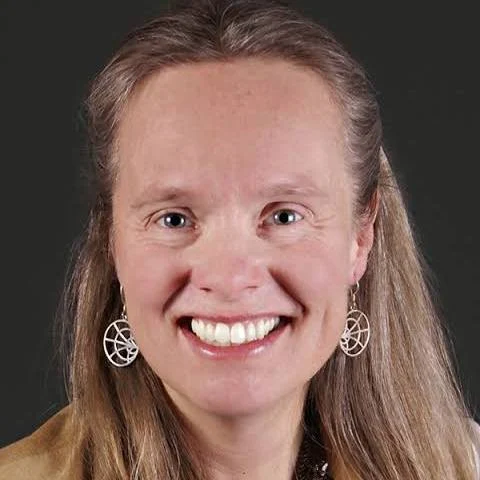
Dr. Cynthia M. Furse, Fellow - IEEE,
Distinguished Professor, Electrical and Computer Engineering, University of Utah, USA.
Title: Microwave Breast Cancer Detection: Past, Present and Future Directions
Abstract
Breast cancer is the second leading cause of death in women. Roughly 1 in 8 women, over 2.3 million women globally (in 2022), will be diagnosed with breast cancer, and 1 in 43 will die of it. Early detection and better treatments have led to a marked drop in breast cancer mortality (e.g., a 44% drop in the US from 1989 to 2022). Detection methods available today are x-ray mammography, ultrasound, and magnetic resonance imaging (MRI). These all require expensive equipment, well-trained technicians and radiologists, and generally the patient must travel to a medical facility to access them. This results in striking global inequities in breast cancer mortality.
Microwave methods have been developed to add an additional modality for breast cancer detection. Most types of tumors have electrical properties that are significantly different than healthy breast tissues. Antennas placed around the breast transmit and receive energy, which is used to create an image or other detection scheme to identify the presence of a tumor. These technologies have the potential to be less expensive and more portable (potentially even “wearable”), and the use of non-ionizing radiation can enable more frequent scans for people at higher risk.
This talk will review the types of microwave methods available for breast cancer detection, their historic development and current state of the art, as these systems move into clinical trials and commercialization, as well as remaining challenges and future opportunities.
Bio
Cynthia M. Furse is a Distinguished Professor of Electrical and Computer Engineering at the University of Utah. She applies electromagnetics to sensing and communication in complex lossy media such as the human body. She is a Fellow of the IEEE, the National Academy of Inventors, and the Applied Computational Electromagnetics Society and has received numerous teaching and research awards including the 2020 IEEE Chen To Tai Distinguished Educator Award and the 2025 Harrington-Mittra Award in Computational Electromagnetics.
 $
$  ৳
৳